Why Your Patio Gets Slippery After Rain — And How to Stop It
A slippery patio after rain is a personal injury risk. We explain what makes it happen and the treatment that actually prevents it.
5.0 Google Rating
Rated 5.0 across all Google reviews
Fully insured
Verified, insured, backed by Google
Smart Seal Approved
Certified installer
No Deposit — Ever
100% satisfaction guaranteed
10+ Years Experience
200+ Essex properties cleaned
Fully Insured
Public liability cover
The Direct Answer
Why is my patio slippery after rain? A thin layer of algae sits on the stone. You can't see it when dry. The moment it gets wet, that layer becomes slippery. A pressure wash removes what you can see but leaves the algae roots — so it comes back in weeks. The real fix is biocide. It kills the algae and keeps the patio safe for 6–12 months.
What Makes Patios Slippery After Rain
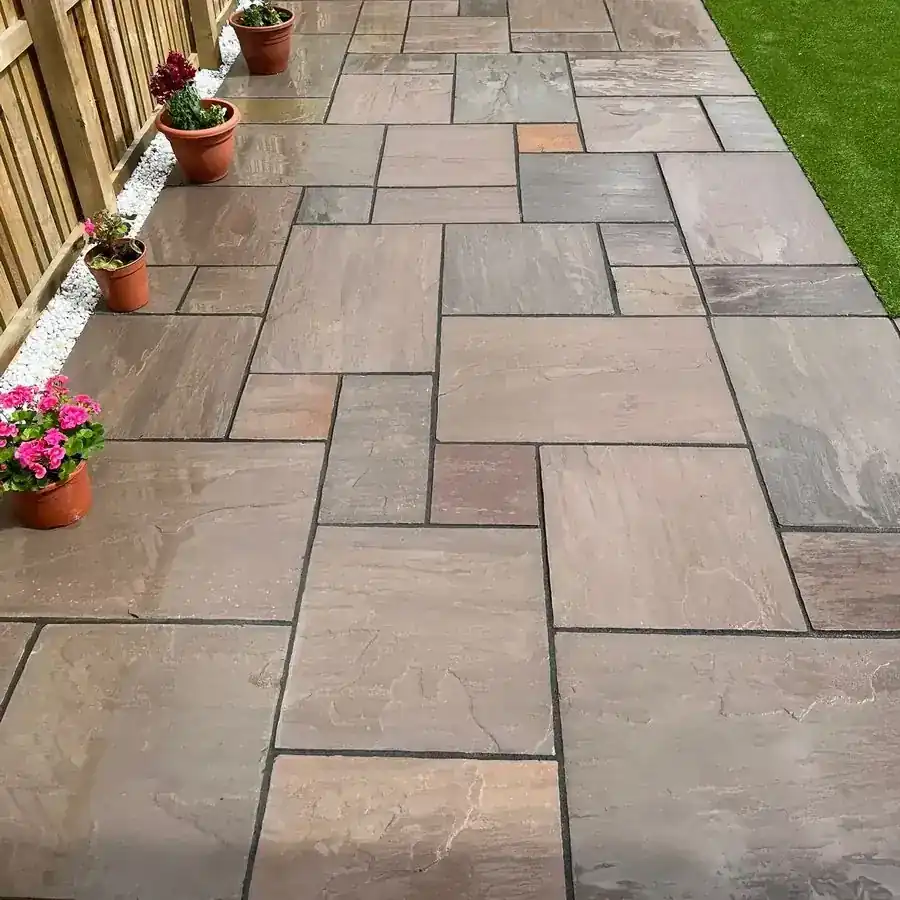
The slipperiness isn't from water alone. It's from a thin layer of algae and biofilm that covers your patio surface. You can't see it in dry conditions — it's invisible until it gets wet. Then water activates the biofilm, creating a slick surface that's genuinely hazardous. Indian stone patios in Essex are especially prone because the stone is very porous. Water soaks in, algae thrives in the moisture, and the biofilm builds up faster than on sealed surfaces. North-facing and shaded patios are worst because they stay damp longer and get less direct sunlight to naturally suppress algae growth.
Why Pressure Washing Alone Doesn't Fix It
Pressure washing removes visible dirt and growth, but it doesn't kill the biofilm at the root. You can pressure wash a patio and it looks clean, but within weeks the biofilm comes back and the slipperiness returns. It's treating the symptom without addressing the cause. The spores and microscopic organisms are still in the pores of the stone. They regrow fast, especially in damp conditions like we get across Colchester, Southend-on-Sea, and the wider Essex region.
Biocide Treatment: The Solution That Works
After pressure washing, we apply a specialist biocide treatment that kills algae and biofilm at the root. The biocide soaks into the stone and leaves residual protection — it continues to work for weeks, preventing regrowth. That's why your patio stays clean and safe for longer. The difference is dramatic: your patio looks cleaner in dry conditions, and crucially, it stays safe underfoot when it rains.
How Long Does the Protection Last?
Biocide treatment typically provides residual protection for 6 to 12 months, depending on rainfall and shade. In heavily shaded areas, you might need retreatment every 6 months. In open, sunny areas, you could go 12 months or longer. We'll advise you based on your specific patio when we quote.
Sealing After Cleaning Adds Another Layer of Protection
Once your patio is clean and treated with biocide, you can seal it. A quality patio sealer adds slip resistance — the sealed surface is less slippery than unsealed stone, even when wet. Sealing also reduces water penetration, which means algae can't take root as easily. You get the visual benefit (colours are deepened and enriched) and the safety benefit in one application.
The Legal Risk of Doing Nothing
If someone visits your home, slips on your damp patio, and gets injured, you could be liable for their medical costs and damages. A slippery patio that you knew about but didn't treat is harder to defend in a claim. Treating and maintaining your patio isn't just about cleanliness — it's about safety and protecting yourself legally.
FAQ: Which Patios Are Most at Risk?
Indian stone patios in shaded areas are highest risk. Riven sandstone is also prone because the texture traps biofilm. Porcelain tiles and smooth concrete are less likely to become slippery because algae can't grip as easily. If your patio faces north or is under trees in Brentwood or Wickford, you're in a higher-risk zone and would benefit most from regular biocide treatment.
FAQ: Are some patio materials more prone to becoming slippery?
Yes. Indian stone and riven sandstone are the worst because their texture traps biofilm. Smooth porcelain and sealed concrete are least prone. North-facing or shaded patios of any material become slippery faster than south-facing exposed ones.
FAQ: How quickly does the patio become safe after biocide treatment?
Once the surface is dry (typically within an hour), the patio is safe to walk on. The biocide continues working in the stone pores for weeks, killing biofilm at the root. By the next rain, the slipperiness is gone.
Ready for a free quote?
No deposit. No obligation. Call us directly on 07849 177724 or message us on WhatsApp.
Written by our team
Owner, Essex Moss Removal · Essex
Our team has cleaned driveways, roofs, patios and gutters across Essex for years. Every job done personally — no subcontractors, no shortcuts. Fully insured and fully insured.
What Essex customers say
“Excellent service from start to finish! Did a fantastic job cleaning the moss off my roof. Punctual, professional and incredibly thorough. They explained the process clearly, worked efficiently, and left everything spotless. My roof looks completely renewed. Highly recommend to anyone needing reliable moss removal.”
Want results like these for your property?
No deposit. No obligation. Free quote — usually within 24 hours.
Learn more about our Patio Cleaning service →